Beyond the Surface: The Role of Coatings Inspection
A protective coating is only as effective as the preparation, application and inspection behind it.
Across industrial and pipeline projects, coatings help protect steel surfaces against corrosion and environmental exposure. But ensuring that these protective systems are applied correctly requires more than an understanding of the materials themselves. It calls for knowledge of surface preparation, coating specifications, inspection methods and the standards that determine whether work meets the required quality. This is where the role of a Site Coatings Inspector becomes important.
Coating inspection involves several stages, beginning well before the coating is applied. Surface preparation is a critical part of the process. Inspectors need to understand how surfaces should be prepared, which standards apply and how contaminants can affect coating performance. Methods for assessing surface profiles and detecting contamination also form part of the inspection process.
Once application begins, attention turns to the coating system itself. Film thickness, application conditions, coating faults and the appropriate testing methods all contribute to assessing the quality of the finished work. Different projects may involve a range of coating technologies, from tapes and polyethylene cladding to heat-shrinkable materials, powder coatings and internal coatings. Understanding their characteristics and inspection requirements is an important part of working in this specialist area.
Understanding the Inspection Process
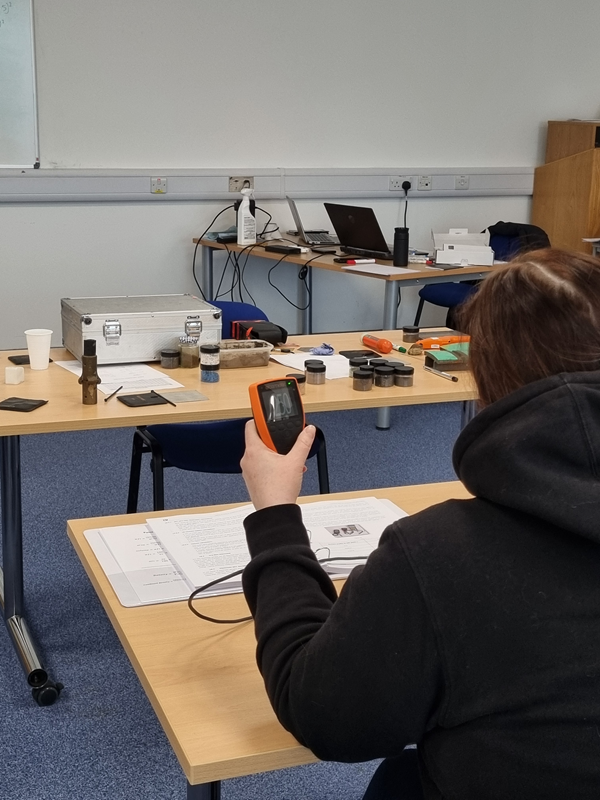
The work of a Site Coatings Inspector extends beyond checking the finished surface. Inspection may involve assessing surface preparation, measuring coating thickness, carrying out holiday detection and understanding the requirements of relevant specifications and standards.
On pipeline projects, additional considerations include coating protection during handling, transportation and storage, as well as the different stages of pipeline construction. Knowledge of cathodic protection and pipeline surveys also contributes to a broader understanding of how protective systems are assessed.
These activities require inspectors to understand not only what they are looking for, but also why particular inspection methods are used and how results should be evaluated.
Developing Specialist Knowledge
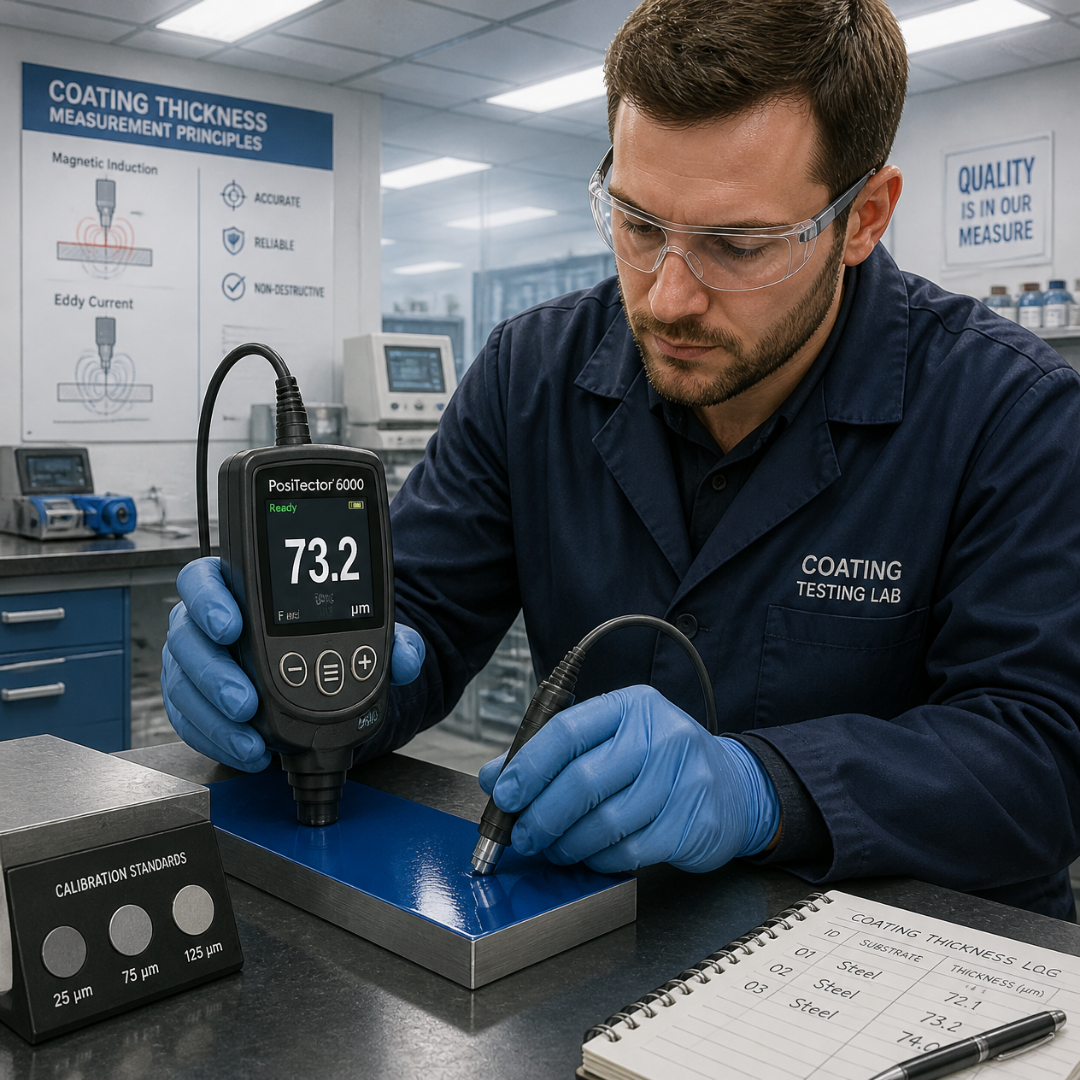
For those working in inspection, fabrication and pipeline-related environments, developing knowledge of coating systems can broaden their understanding of quality requirements and inspection practices.
The BGAS-CSWIP Site Coatings Inspector course at TWI covers corrosion, specified coating conditions, surface preparation methods and standards, surface contaminants, coating technology, film thickness and a range of coating systems. The programme also includes inspection and testing methods, cathodic protection, pipeline construction, handling and storage, pipeline surveys, health and safety, coating faults and quality working practices.
The course is suitable for candidates with or without previous experience in site coatings inspection who wish to work towards BGAS-CSWIP approval. It can also be relevant to welding inspectors looking to extend their capabilities on pipeline projects.
TWI Training and Examinations Services' next BGAS-CSWIP Site Coatings Inspector course begins on 16 November 2026 at its Middlesbrough facility. The course is now fully booked.
Further dates are expected to be announced, offering future opportunities for candidates looking to develop their knowledge and pursue BGAS-CSWIP Site Coatings Inspector approval. Keep an eye on the TWI website for upcoming course dates. For further information about the programme, course content and entry requirements, visit the BGAS-CSWIP Site Coatings Inspector course page.